mkdentalexcellence@gmail.com


Transcranial Magnetic Stimulation
THE NON-SURGICAL MENTAL WELLNESS SOLUTION
Transcranial Magnetic Stimulation (TMS) is an FDA-cleared, noninvasive therapy that uses precisely delivered magnetic pulses to activate regions of the brain involved in mood control. Designed for individuals experiencing depression, anxiety, or mental fog, TMS helps enhance clarity, stabilize emotions, and promote overall mental well-being — all without medication or recovery time.
If you are experiencing major depression, anxiety, or other treatment-resistant conditions, Transcranial Magnetic Stimulation (TMS) may provide a renewed sense of hope. This noninvasive brain stimulation therapy uses focused magnetic fields to activate specific regions of the brain responsible for mood regulation and cognitive performance. As an FDA-approved treatment, TMS is redefining modern mental health care by delivering meaningful relief without antidepressant medications or surgical procedures.
At My Cincinnati Smiles in Cincinnati, we offer TMS therapy using the advanced Exomind system — an innovative solution for individuals seeking support for major depressive disorder (MDD), obsessive-compulsive disorder (OCD), and other related conditions. Our knowledgeable team proudly serves patients in Cincinnati and surrounding communities, helping them restore balance and improve overall mental well-being.
Schedule your consultation today to learn whether TMS is the right solution for you.
Contents
What Is Transcranial Magnetic Stimulation (TMS)?
Transcranial Magnetic Stimulation (TMS) is a noninvasive, medication-free therapy designed to improve mental health by stimulating specific areas of the brain. Using a specialized device equipped with a magnetic coil, TMS delivers controlled magnetic pulses that activate nerve cells in targeted regions — particularly the dorsolateral prefrontal cortex (DLPFC), an area often underactive in individuals experiencing depression or treatment-resistant depression.
Unlike electroconvulsive therapy (ECT) or deep brain stimulation, TMS does not require anesthesia, does not cause memory loss, and does not apply electrical currents directly to the brain. Instead, it works gradually and safely by enhancing communication between brain cells and supporting healthier patterns of brain activity over time.
How TMS Works
During a TMS session, a magnetic coil is gently positioned against the scalp near the forehead. The device delivers repetitive transcranial magnetic stimulation (rTMS) through painless magnetic pulses that stimulate neurons in the targeted brain region. These pulses help restore balanced brain activity in individuals dealing with major depression, obsessive-compulsive disorder (OCD), bipolar disorder, post-traumatic stress disorder (PTSD), and related conditions.
With a series of treatments, TMS supports the brain’s natural neuromodulation processes, promoting improved mood stability, clearer thinking, and better emotional regulation. Sessions are performed in an outpatient setting and typically last less than 30 minutes, allowing patients to return to their normal daily activities immediately afterward.
The Neuroscience Behind TMS
Transcranial Magnetic Stimulation works by stimulating specific areas of the brain, including the motor cortex and the dorsolateral prefrontal cortex (DLPFC), which play key roles in mood regulation and cognitive performance. Using targeted magnetic pulses, TMS safely activates electrical activity in these regions without surgery, implants, or invasive procedures.
Backed by decades of neuroscience research and cleared by the FDA, TMS has been extensively studied in clinical settings. By reactivating underperforming neurons and strengthening communication between brain networks, TMS helps restore healthier brain function and supports long-term emotional balance.
Introducing Exomind: Our Advanced TMS Technology
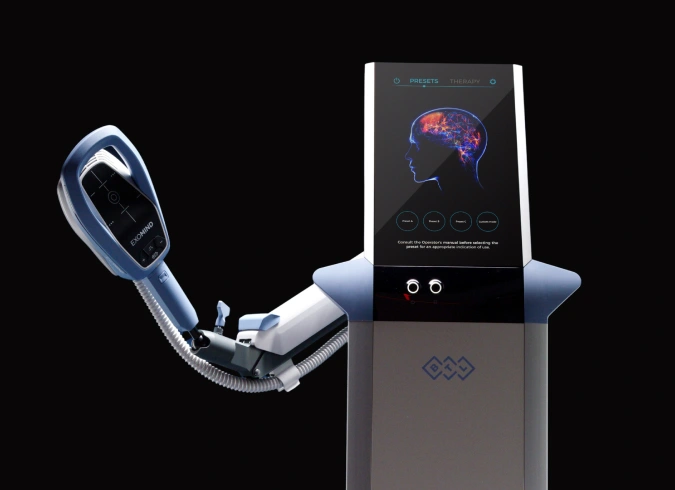
At My Cincinnati Smiles in Cincinnati, we utilize Exomind, an advanced TMS platform developed by BTL, a global innovator in medical technology. Exomind delivers precise, targeted stimulation through a proprietary design engineered to optimize comfort and consistency throughout treatment.
This modern system automatically calibrates to each patient’s motor threshold, ensuring accurate stimulation with minimal scalp sensitivity. Quiet, efficient, and well-tolerated, Exomind provides a refined and patient-focused TMS experience.
Benefits of TMS with Exomind
TMS therapy with Exomind offers a range of advantages for individuals seeking a non-medication approach to mental wellness:
- Clinically supported treatment for major depressive disorder (MDD), OCD, and related conditions
- FDA-cleared, noninvasive therapy performed without anesthesia or sedation
- No systemic side effects commonly associated with antidepressant medications
- Supports improved mood stability, focus, and cognitive clarity
- No downtime — patients can immediately return to normal activities
Additional Conditions TMS May Support
While widely recognized for treating major depressive disorder, TMS therapy is also being explored for a growing number of neurological and psychiatric conditions. Clinical research has examined its potential benefits for obsessive-compulsive disorder (OCD), bipolar disorder, post-traumatic stress disorder (PTSD), Alzheimer’s disease, Parkinson’s disease, and smoking cessation support.
As research continues to expand, TMS is becoming an increasingly valuable tool in modern mental healthcare, particularly for individuals seeking solutions beyond traditional medication-based treatments.

Why Choose My Cincinnati Smiles
Located in Cincinnati, My Cincinnati Smiles proudly serves patients with advanced, patient-centered mental wellness solutions. Our practice is led by Dr. Manju Kejriwal, whose approach emphasizes compassionate care, clinical excellence, and individualized treatment planning.
We recognize that mental health is complex and deeply personal. That’s why we take a comprehensive, holistic approach — ensuring you feel informed, empowered, and supported at every stage of your journey. Whether you are referred by a primary care provider or mental health specialist, or you are researching treatment options on your own, our dedicated team is here to guide you toward renewed clarity, balance, and well-being.
TMS vs. Other Treatment Options
Many individuals living with depression or OCD explore options such as antidepressant medications, psychotherapy, or even electroconvulsive therapy (ECT) before considering TMS. While these treatments can be beneficial, they may present certain challenges.
Antidepressant medications can sometimes cause unwanted side effects such as weight changes, sexual dysfunction, or emotional blunting — and not every patient responds to them. Talk therapy often requires long-term commitment and may take time before noticeable improvement occurs. ECT can be effective in severe cases but involves anesthesia, recovery time, and a higher risk profile.
Transcranial Magnetic Stimulation offers a different approach. It is noninvasive, performed in an outpatient setting, and requires no downtime. With minimal side effects and no need for sedation, TMS provides a balanced option between medication-based care and more invasive procedures.
Is TMS the Right First-Line Treatment for You?
Although TMS has traditionally been recommended after medications or therapy have not provided sufficient relief, many patients now choose it earlier in their treatment journey. Because it is drug-free and noninvasive, TMS appeals to individuals who wish to avoid medication-related side effects while pursuing an evidence-based solution.
Its convenience and strong clinical support have made TMS an increasingly accessible and attractive option for those seeking meaningful, sustainable improvement in their mental health.
Who Is a Candidate for TMS?
TMS may be appropriate for adults who:
- Have been diagnosed with major depressive disorder, OCD, PTSD, or bipolar disorder
- Have not experienced adequate relief from antidepressants or psychotherapy
- Prefer a noninvasive, medication-free treatment option
- Are looking for a clinically supported, science-driven approach to mental wellness
Contraindications: TMS may not be suitable for individuals with a history of epilepsy, implanted electronic medical devices, or metal implants near the head. A comprehensive consultation is required to review your medical history and determine whether TMS is a safe and appropriate option for you.
Your Initial Consultation
Your journey begins with a comprehensive consultation at My Cincinnati Smiles in Cincinnati. During this first visit, our experienced care team will:
- Review your full medical and mental health history
- Discuss your current symptoms and treatment goals
- Evaluate previous therapies and outcomes
- Explain how TMS works and determine your motor threshold for precise calibration
- Develop a personalized treatment plan tailored to your needs
This thorough evaluation allows us to deliver accurate, targeted stimulation while optimizing both safety and results.
Preparing for Your TMS Treatment Session
Preparing for TMS is simple and straightforward. To help ensure the best experience:
- Eat a light meal and stay well hydrated
- Avoid alcohol or substances that may affect brain activity
- Continue taking prescribed medications unless instructed otherwise
- Remove metal hair accessories or jewelry near the head
- Wear comfortable clothing
- Plan to spend about 30 minutes at the clinic
Earplugs may be provided to minimize the sound produced during stimulation.
What to Expect During a TMS Session
TMS treatments are performed in a comfortable, private setting. You will be seated in a relaxed position while a magnetic coil is gently placed against your scalp in the targeted treatment area. As the session begins, you may feel a rhythmic tapping sensation or light pulses.
Each session typically lasts 20 to 30 minutes. You will remain fully awake and alert throughout the procedure and can return to your normal daily activities immediately afterward. Most patients tolerate treatment very well and begin noticing improvements in focus, mood stability, and overall energy within several weeks of consistent sessions.

How Long Do Results Last?
Many patients begin noticing improvements within two to four weeks of consistent treatment. A standard TMS protocol typically includes 20 to 30 sessions completed over several weeks. Results can last for months or longer, particularly when supported by healthy lifestyle habits, continued mental health care, and occasional maintenance sessions if recommended.
If symptoms return, TMS can be safely repeated, making it a flexible and long-term option for managing chronic conditions such as major depressive disorder (MDD), OCD, and PTSD.
Risks and Side Effects
TMS is widely regarded as safe and well-tolerated. The most commonly reported side effects are mild scalp tenderness, temporary headache, or brief fatigue following treatment. These symptoms are generally short-lived and resolve quickly.
Serious side effects, including seizures, are rare and occur in less than 1% of patients. During your consultation at My Cincinnati Smiles in Cincinnati, your provider will thoroughly review your medical history to ensure TMS is appropriate and safe for you.
Cost of TMS in Cincinnati
The cost of TMS therapy varies depending on your personalized treatment plan, the number of sessions required, and potential insurance coverage. At My Cincinnati Smiles, we are committed to making this transformative therapy accessible to patients in Cincinnati.
Book Your TMS Consultation in Cincinnati
Take the next step toward improved mental wellness with Transcranial Magnetic Stimulation at My Cincinnati Smiles. Whether you are seeking relief from treatment-resistant depression, OCD, or persistent mental fog, our experienced team and advanced Exomind system are here to support you.
Conveniently located in Cincinnati, we provide compassionate, patient-focused care in a welcoming, spa-like environment.
Call today or book online to begin your journey toward feeling balanced, clear, and confident again.
Related Treatments
Explore More of Our Advanced Solutions

Emsculpt
A non-surgical pelvic floor treatment that utilizes high-intensity focused electromagnetic (HIFEM) technology to activate and strengthen the pelvic floor muscles, helping reduce urinary incontinence and enhance overall pelvic wellness.

Exion Face and Body
A minimally invasive procedure that combines radiofrequency energy with ultrasound technology to firm the skin, enhance its elasticity, and promote a smoother, more youthful, radiant complexion overall with long-lasting visible results.

Solea Laser
Transform your dental experience with Solea Laser, a quiet and efficient solution for cavities and soft tissue treatments. Enjoy faster healing, fewer needles, and minimal discomfort — often completed in a single visit.
FAQs
Some patients experience subtle improvements within the first one to two weeks of treatment. However, most individuals notice more significant and consistent changes after three to four weeks of regular sessions. Because TMS works by gradually improving neural activity and connectivity, results continue to build over time.
Response rates vary depending on the condition being treated, the severity of symptoms, and each individual’s unique brain chemistry.